A Comparative Analysis of Bone Conduction and Over-Ear Headphones
Bone conduction headphones and over-ear headphones are two typical types of wearable audio devices with completely different design concepts and functional positioning. The former focuses on open safety and ear health, while the latter pursues immersive sound quality and noise reduction effect. Comparing their advantages, disadvantages and applicable scenarios can help users select the most suitable headphones according to their own needs.
In terms of sound quality and noise reduction, over-ear headphones have an absolute advantage. Their closed wrapping design and professional speaker units deliver full bass, delicate sound details and strong sound field immersion. With active noise cancellation, they can isolate most external noise, creating a pure listening environment. In contrast, bone conduction headphones have insufficient bass, thin sound quality and no noise reduction ability, and even produce sound leakage at high volume, which is far behind over-ear headphones in audio performance.
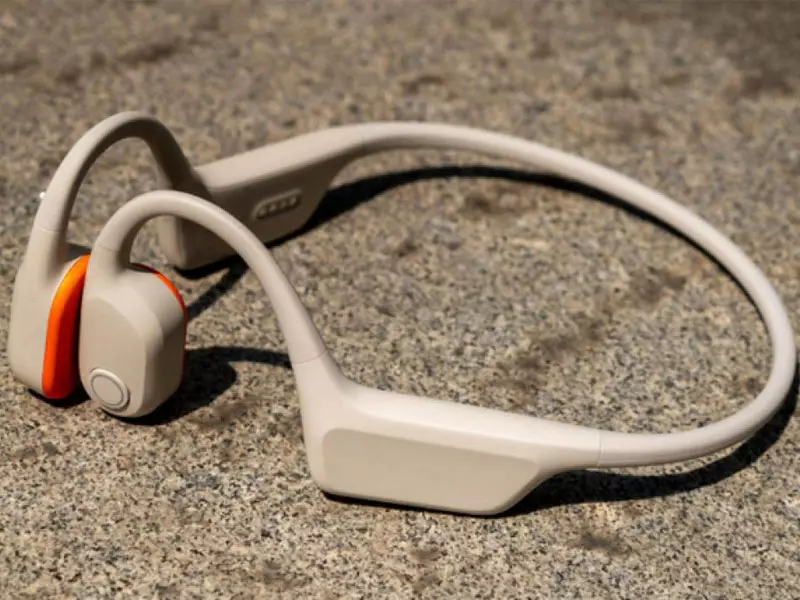
In terms of wearing experience and safety, bone conduction headphones are more practical for outdoor scenarios. The open-ear design does not block the ears, allowing users to perceive surrounding environmental sounds in real time, which ensures the safety of running, cycling and commuting. They are lightweight, stable and not easy to fall off during exercise, and will not cause ear congestion and bacterial breeding. Over-ear headphones, however, block the ear canal completely, resulting in poor environmental perception, heavy weight and easy sweating during exercise, which are not suitable for outdoor sports.
In terms of applicable scenarios, the two form a complementary relationship. Over-ear headphones are suitable for indoor scenes such as home entertainment, office work, study and music appreciation, focusing on sound quality experience and anti-interference. Bone conduction headphones are dedicated to outdoor sports, daily commuting and long-term healthy listening, focusing on safety and comfort. There is no absolute good or bad between the two. Users who pursue sound quality and quietness should choose over-ear headphones, while sports lovers and health-oriented users are more suitable for bone conduction headphones.
