Disadvantages and Applicable Scenarios of Bone Conduction Headphones
While bone conduction headphones enjoy great popularity for their open-ear and healthy design, they are not all-round perfect audio devices, with obvious shortcomings that limit their application in specific scenarios. A rational understanding of their drawbacks and applicable scenes helps users make targeted choices and avoid blind purchase.
The most prominent disadvantage of bone conduction headphones is ordinary sound quality performance. Due to the special bone vibration transmission mode, their bass depth and sound field immersion are far inferior to traditional over-ear and in-ear headphones. The sound tone is relatively thin and tinny, lacking the rich layering and shock brought by heavy bass. For professional music lovers, audiophiles and users who pursue immersive movie and game audio effects, bone conduction headphones cannot meet high-standard sound quality needs.
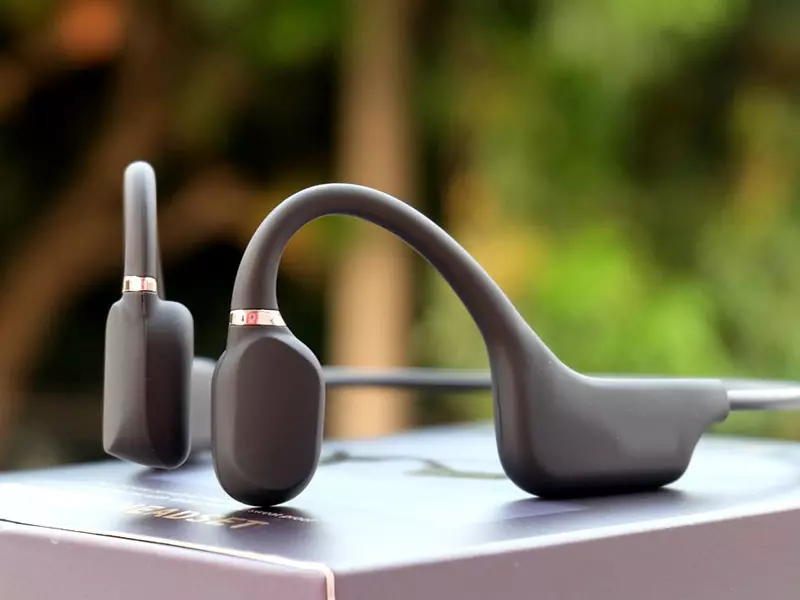
Sound leakage is another unavoidable problem. When the volume is turned up, the bone vibration will drive the surrounding air to vibrate, resulting in obvious sound leakage, which not only affects personal privacy but also disturbs people around. Therefore, they are not suitable for quiet public scenes such as libraries, offices and classrooms. In addition, long-term high-volume use will cause obvious facial vibration numbness, bringing slight discomfort to users. Their battery life is also relatively short compared with large over-ear headphones, failing to support ultra-long time continuous use.
Despite these shortcomings, bone conduction headphones have irreplaceable applicable scenarios. They are the best choice for outdoor sports enthusiasts, ensuring both music enjoyment and traffic safety. They are also ideal for daily commuting, fitness and running. For students and office workers who need to listen to audio while paying attention to the surrounding environment, as well as people with fragile ear health, bone conduction headphones are the most practical audio equipment. In short, they focus on safety and comfort rather than extreme sound quality, which defines their unique application positioning.
